When your dog receives a pancreatitis diagnosis, the next decision feels like a maze: what should they eat to calm the inflamed pancreas and still feel satisfied? The right diet can reduce flare‑ups, support recovery, and keep your companion’s energy steady. Below is a step‑by‑step guide that turns the confusing world of low‑fat, highly digestible dog food into clear choices you can act on today.
What dietary changes actually help a pancreas in distress?
Pancreatitis spikes when the organ is forced to release large amounts of digestive enzymes, often triggered by high‑fat meals. A therapeutic diet therefore focuses on:
- Low fat content – ideally under 10% of calories.
- Highly digestible proteins – such as chicken, turkey, or fish, which place less strain on the pancreas.
- Limited simple carbohydrates – to avoid rapid spikes in blood sugar that can indirectly stress the pancreas.
- Added fiber – gentle bulking agents like pumpkin or beet pulp help regulate digestion.
Choosing a commercial formula that meets these criteria simplifies the feeding schedule and reduces the risk of accidental over‑fat treats.
Which commercial dog foods meet low‑fat, high‑digestibility standards?
Look for products labeled “Veterinary Diet” or “Therapeutic” that specify fat levels below 10% and list a single, high‑quality protein source. Brands often provide a guaranteed analysis on the bag; compare the “Crude Fat” percentage and confirm that the ingredient list starts with the protein, not a filler.
For example, a diet featuring chicken and rice with 8% fat and added omega‑3s can support both pancreas health and coat condition. If your vet recommends a prescription line, ask whether a non‑prescription version with similar specs is available for everyday feeding.
Can homemade meals be safe for pancreatitis?
Homemade cooking gives you control, but it also requires meticulous balance. A typical safe recipe might include:
- Boiled skinless chicken breast (no added oil) – 30 g per 5 lb of body weight.
- Cooked white rice – 1 cup per meal.
- Steamed carrots or green beans – ¼ cup for fiber.
- A drizzle of low‑salt broth (optional) for palatability.
Measure every ingredient, keep fat under 5 g per serving, and rotate proteins weekly to avoid nutrient gaps. Always run the plan past your veterinarian before making it a routine.
How to transition your dog to a new pancreatitis‑friendly diet?
Sudden changes can trigger digestive upset, so a gradual shift over 7–10 days is key:
- Days 1‑3: Mix 25% new food with 75% current food.
- Days 4‑6: Increase to 50% new, 50% old.
- Days 7‑10: Move to 100% new diet.
Monitor stool quality and appetite; if loose stools or vomiting appear, slow the transition and consult your vet.
What role do treats play in managing pancreatitis?
Even low‑fat meals can be undone by an occasional high‑fat treat. Choose bite‑size options that meet the same nutritional profile as the main diet, such as freeze‑dried chicken strips or specially formulated low‑fat dental chews. Keep treat calories under 10% of the daily intake to avoid overloading the pancreas.
Visual guide: Large dogs thrive on low‑fat nutrition

Big breeds often need larger portions, but the principle stays the same: keep fat low and protein high. Serving a measured scoop of therapeutic kibble alongside a modest portion of boiled chicken can satisfy a giant’s appetite without risking a flare‑up.
Visual reminder: Understanding the bond between diet and health
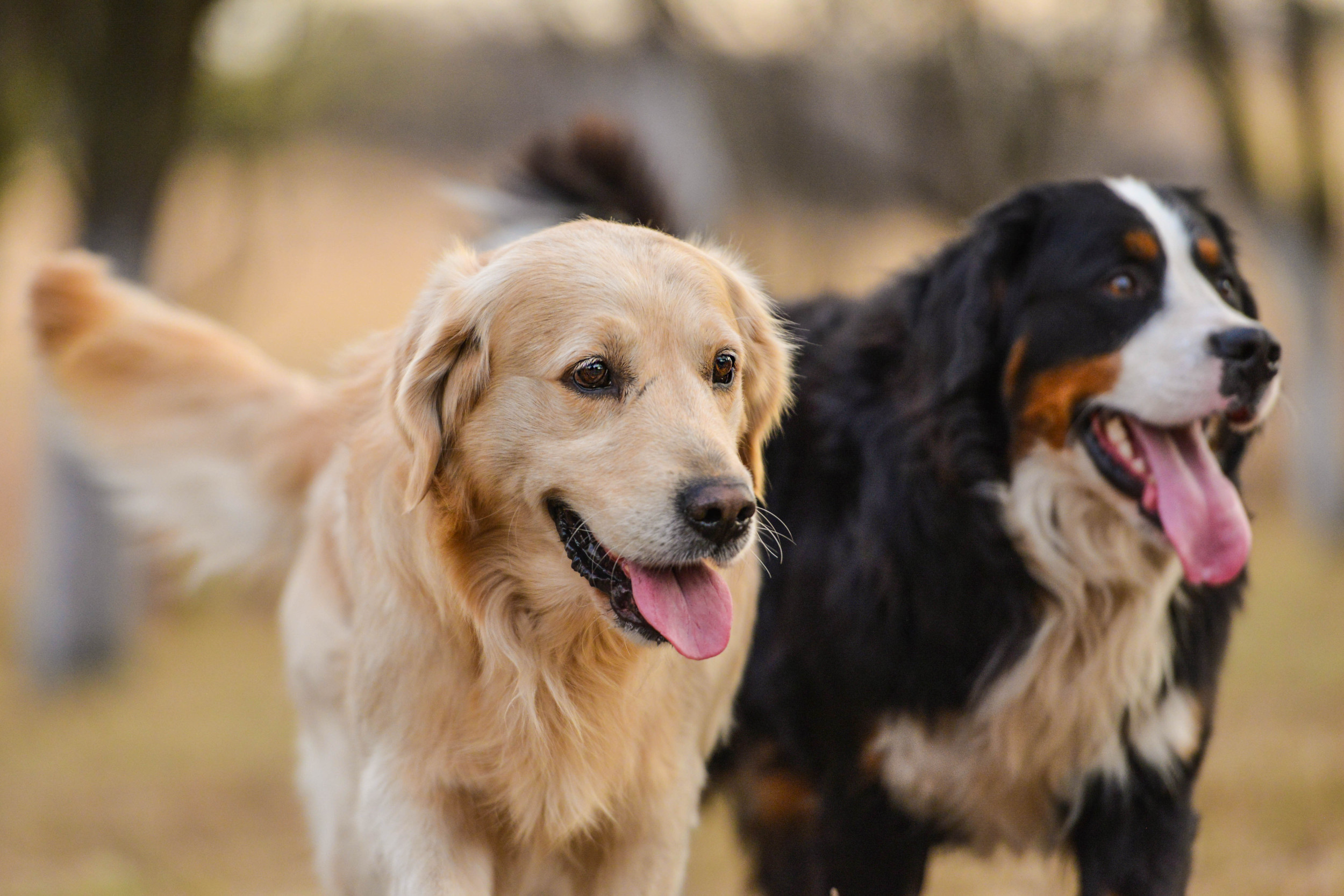
When your dog feels the comfort of a well‑chosen diet, the calmness shows in their eyes. Consistency in food quality and portion size builds trust and reduces the anxiety that often accompanies chronic conditions.
When your dog receives a pancreatitis diagnosis, the next decision feels like a maze: what should they eat to calm the inflamed pancreas and still feel satisfied? The right diet can reduce flare‑ups, support recovery, and keep your companion’s energy steady. Below is a step‑by‑step guide that turns the confusing world of low‑fat, highly digestible dog food into clear choices you can act on today.
What dietary changes actually help a pancreas in distress?
Pancreatitis spikes when the organ is forced to release large amounts of digestive enzymes, often triggered by high‑fat meals. A therapeutic diet therefore focuses on:
- Low fat content – ideally under 10% of calories.
- Highly digestible proteins – such as chicken, turkey, or fish, which place less strain on the pancreas.
- Limited simple carbohydrates – to avoid rapid spikes in blood sugar that can indirectly stress the pancreas.
- Added fiber – gentle bulking agents like pumpkin or beet pulp help regulate digestion.
Choosing a commercial formula that meets these criteria simplifies the feeding schedule and reduces the risk of accidental over‑fat treats.
Which commercial dog foods meet low‑fat, high‑digestibility standards?
Look for products labeled “Veterinary Diet” or “Therapeutic” that specify fat levels below 10% and list a single, high‑quality protein source. Brands often provide a guaranteed analysis on the bag; compare the “Crude Fat” percentage and confirm that the ingredient list starts with the protein, not a filler.
For example, a diet featuring chicken and rice with 8% fat and added omega‑3s can support both pancreas health and coat condition. If your vet recommends a prescription line, ask whether a non‑prescription version with similar specs is available for everyday feeding.
Can homemade meals be safe for pancreatitis?
Homemade cooking gives you control, but it also requires meticulous balance. A typical safe recipe might include:
- Boiled skinless chicken breast (no added oil) – 30 g per 5 lb of body weight.
- Cooked white rice – 1 cup per meal.
- Steamed carrots or green beans – ¼ cup for fiber.
- A drizzle of low‑salt broth (optional) for palatability.
Measure every ingredient, keep fat under 5 g per serving, and rotate proteins weekly to avoid nutrient gaps. Always run the plan past your veterinarian before making it a routine.
How to transition your dog to a new pancreatitis‑friendly diet?
Sudden changes can trigger digestive upset, so a gradual shift over 7–10 days is key:
- Days 1‑3: Mix 25% new food with 75% current food.
- Days 4‑6: Increase to 50% new, 50% old.
- Days 7‑10: Move to 100% new diet.
Monitor stool quality and appetite; if loose stools or vomiting appear, slow the transition and consult your vet.
What role do treats play in managing pancreatitis?
Even low‑fat meals can be undone by an occasional high‑fat treat. Choose bite‑size options that meet the same nutritional profile as the main diet, such as freeze‑dried chicken strips or specially formulated low‑fat dental chews. Keep treat calories under 10% of the daily intake to avoid overloading the pancreas.
Visual guide: Large dogs thrive on low‑fat nutrition
Big breeds often need larger portions, but the principle stays the same: keep fat low and protein high. Serving a measured scoop of therapeutic kibble alongside a modest portion of boiled chicken can satisfy a giant’s appetite without risking a flare‑up.
Visual reminder: Understanding the bond between diet and health
When your dog feels the comfort of a well‑chosen diet, the calmness shows in their eyes. Consistency in food quality and portion size builds trust and reduces the anxiety that often accompanies chronic conditions.
